Natural Textures That Bring Warmth — Wool, Linen, and Wood
Authentic Irish hygge comes from natural materials. Learn which textures work best in overcast Irish weather and how they improve your home's atmosphere.

Why Natural Materials Matter in Irish Homes
There's something special about touching a real wool blanket on a grey Dublin afternoon. It's not just comfort — it's connection. When you're living in a minimalist space, every object carries weight. Every texture tells a story. And in Ireland's cool, damp climate, natural materials aren't just aesthetically pleasing. They're practical.
You'll notice the difference almost immediately. A linen cushion cover breathes differently than synthetic fabric. Wood warms a room that synthetic finishes can't match. Wool regulates temperature naturally, which matters when you're trying to keep heating bills reasonable in a draughty Victorian terrace or a modern semi-detached.
But here's what most people get wrong: you don't need everything to be natural. That's not minimalism — that's just expensive shopping with a different aesthetic. The real trick is choosing the right textures for the right spaces, then letting them do their work.
Wool: The Foundation of Warmth
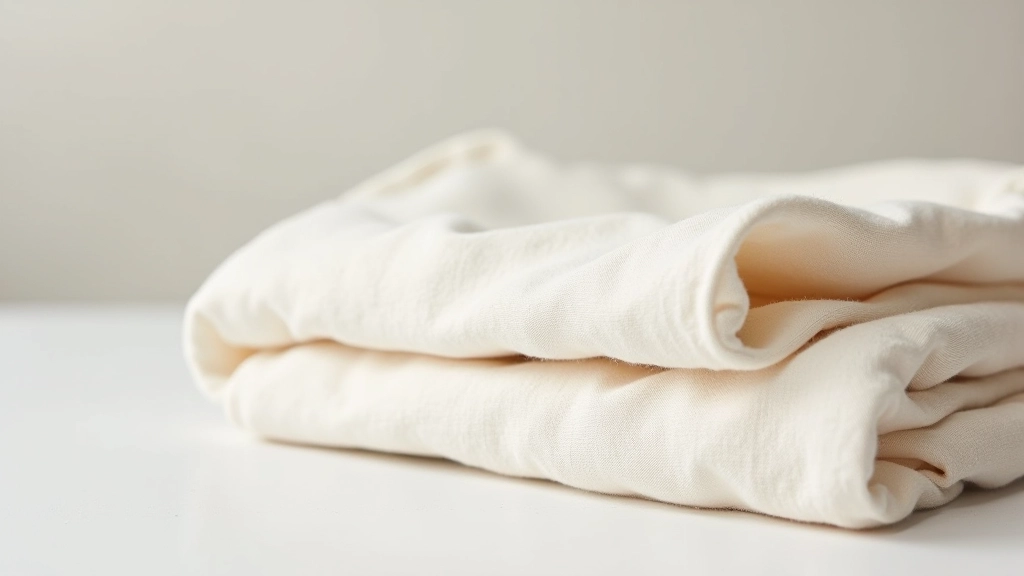
Wool's been keeping Irish people warm for centuries. There's a reason. This fibre doesn't just insulate — it actually regulates moisture. When your house feels damp (and let's be honest, it often does), wool absorbs that moisture without feeling wet. That's chemistry, not marketing.
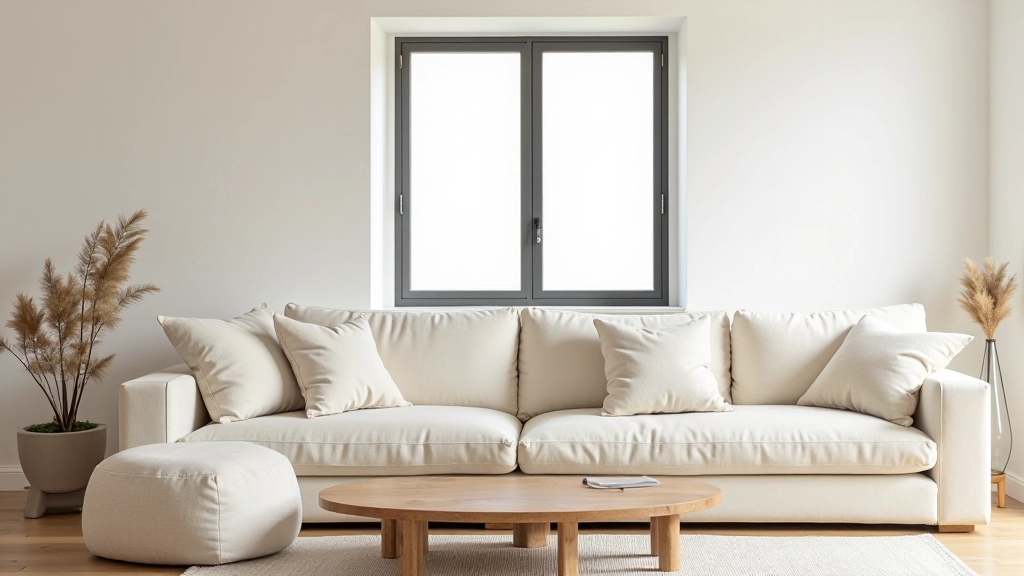
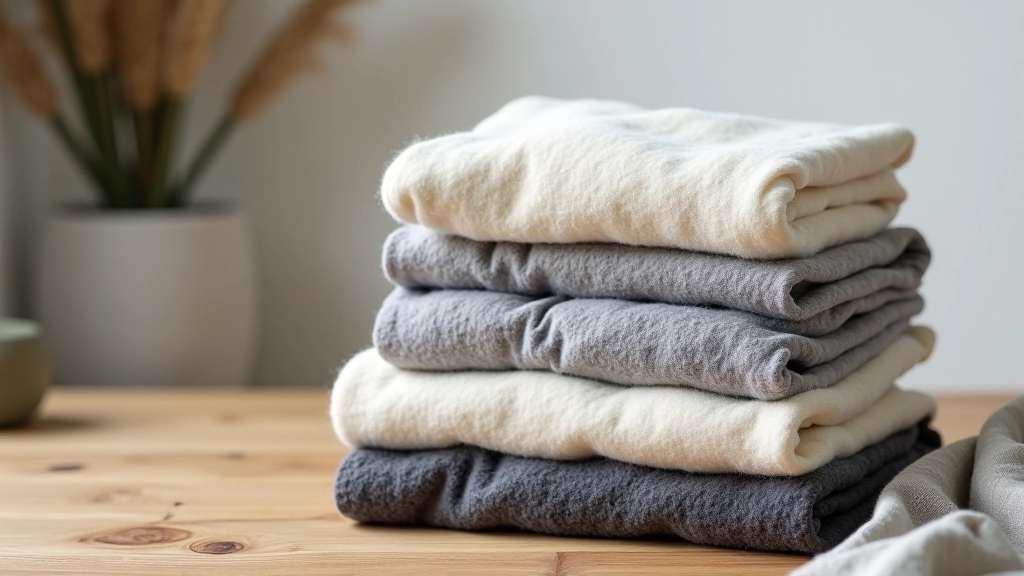
In a minimalist home, wool works best in specific places. A quality wool throw on your sofa. Wool area rugs in the main living spaces. Maybe wool cushion covers in neutral greys and creams. You're not layering textures for visual interest — you're choosing functional pieces that happen to look beautiful.
Pro tip: Merino wool is softer than regular wool and doesn't itch. It's slightly pricier but worth it if you're draping it over furniture you'll actually touch daily.
Linen: Calm and Durable
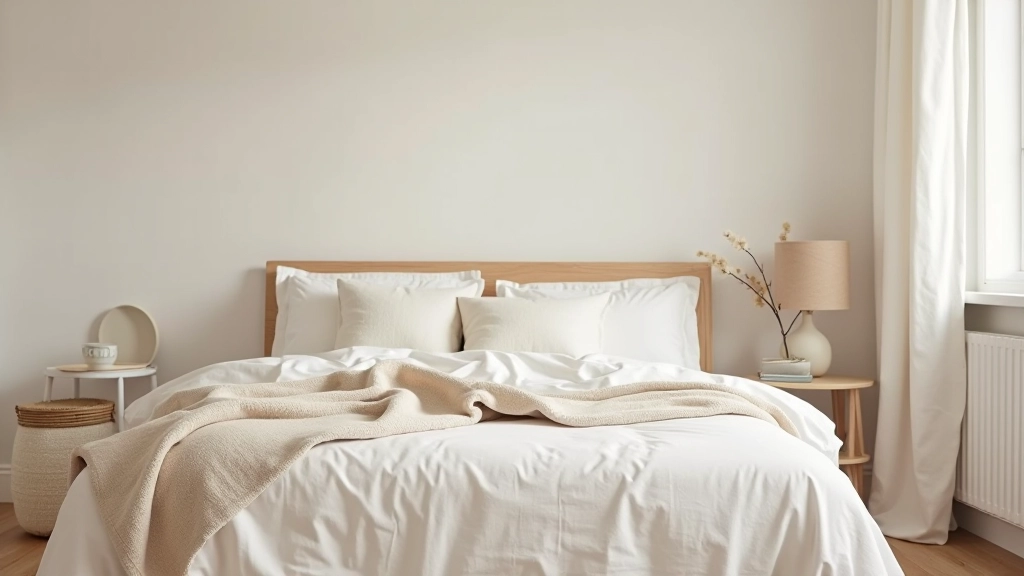
Linen is what you want in bedrooms and spaces where you're trying to create calm. It's wrinkled, slightly imperfect texture actually reinforces minimalism rather than fighting it. Imperfection is honest. It's real.
Linen bedding lasts longer than cotton. It softens with washing. And in Ireland's cool climate, it doesn't feel clammy like cotton can. You'll sleep better on linen, especially in spring and autumn when heating's off but nights are still chilly.
For minimalist spaces, stick to cream, off-white, or soft grey linen. These colours age beautifully — they don't show wear the way darker fabrics do. After two years, your linen sheets won't look tired. They'll look lived-in. That's the difference between quality and cheap.

Wood: The Anchor of Every Room
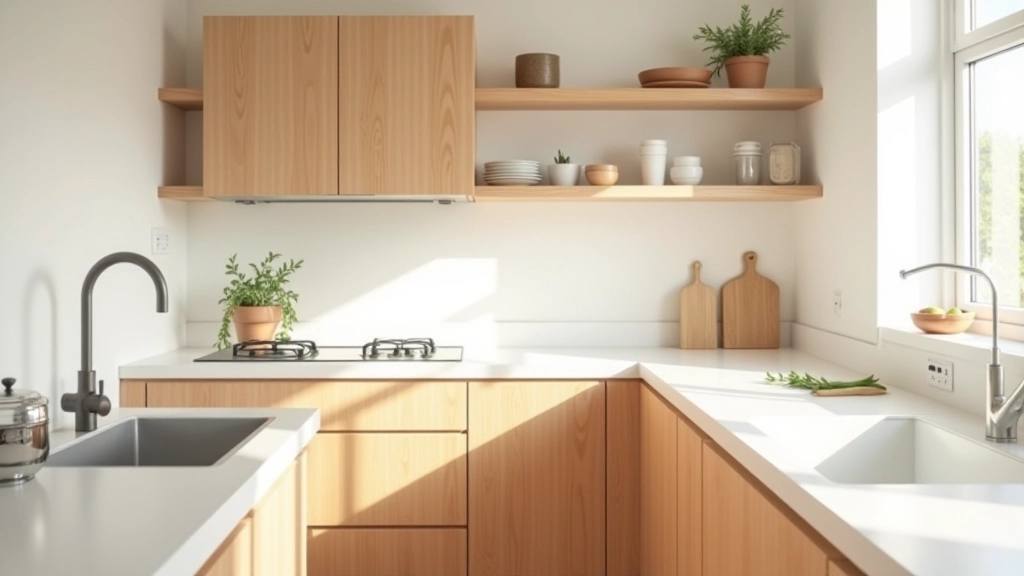
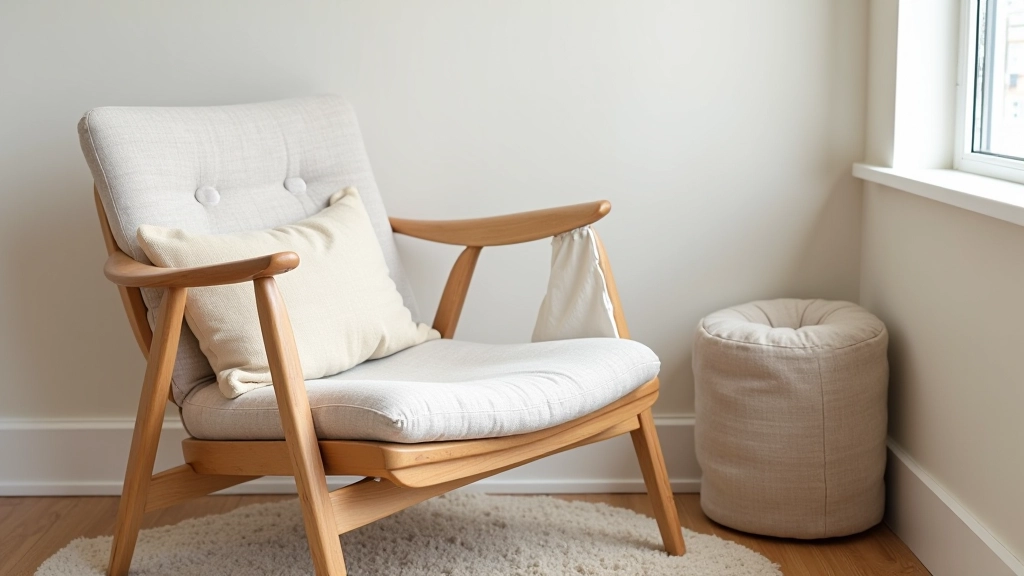
You can't create a warm minimalist home without wood. It's the element that prevents a space from feeling cold and sterile. One good wooden piece — a bedside table, a simple desk, shelving — changes the entire atmosphere.
The key is choosing wood in warm but neutral tones. Avoid very dark stains (they date quickly) and overly light pine (it can look cheap). Look for solid wood furniture with visible grain. Reclaimed wood is brilliant if you can find it — Irish architectural salvage yards often have stunning pieces from old farmhouses and period cottages.
Best Woods for Irish Homes
- Oak — durable, warm tone, very Irish
- Walnut — darker, sophisticated, ages beautifully
- Ash — light, practical, modern feel
- Reclaimed — character, history, sustainable
Combining Textures Without Chaos
Here's where people stumble. They get excited about natural materials and suddenly their minimalist living room has seven different textures competing for attention. That defeats the whole point.
Think in layers. Your base is probably painted walls (keep them neutral). Your anchor is usually wood furniture. Then add one textile element per seating area — either a wool throw or linen cushions, not both. If you're using a jute rug (another natural option), keep it simple. The goal is calm, not visual complexity.
On overcast Irish days, these natural textures actually absorb and reflect light differently than synthetics. Wool catches light softly. Linen has subtle movement. Wood grain draws the eye without being loud. Together, they create depth that makes a small room feel more spacious and a dark room feel less gloomy.
About This Article
This article is for informational and educational purposes. It's based on interior design principles and practical experience with natural materials in Irish homes. Specific product recommendations, durability claims, and personal preferences may vary depending on individual circumstances, climate conditions, and personal needs. Always test materials for suitability before making large purchases, and consider consulting with an interior designer for your specific space.
Creating Your Textured Minimalist Space
Minimalism doesn't mean cold. It doesn't mean empty. It means intentional. When you choose natural textures — wool, linen, wood — you're making choices that will last years, not seasons. They'll actually improve with age and use.
Start small. Add one piece of quality wool. Switch your bedding to linen. Find one good wooden furniture item. Let those elements settle into your space. You'll feel the difference almost immediately. And on those long Irish grey afternoons, you'll understand why these textures have been part of Irish homes for centuries. They work because they're real.
Related Articles